Browse our Science Digests

Page 41 of 283
  1. A feast of memories

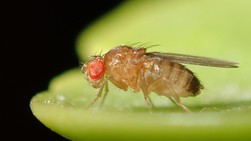
    In fruit flies, a signalling molecule known as octopamine helps information about resource availability shape which type of memories are formed of a meal, and how much certain foods are eaten.
  2. Recollection errors

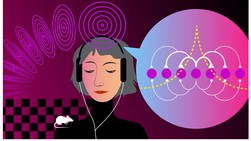
    Two cognitive biases that influence working memory may be more closely related than previously thought.
  3. Tracking cellular proteins

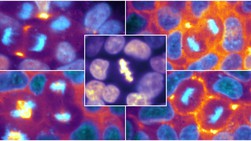
    A new library of stem cells that express a fluorescent protein offers the opportunity to study the precise locations of thousands of human proteins in many different types of cells.
  4. Investigating blood cancer relapses

    Acute myeloid leukemia cells can become resistant to cancer treatment without gaining new DNA mutations by changing which parts of the DNA are active.
  5. Matching up genes and traits

    A new AI framework could make it easier to find which genes are associated with certain human characteristics.
  6. One drug, many outcomes

    Responses to ketamine can vary greatly among individuals, which may explain why it is ineffective at treating some patients with depression.
  7. Examining the role of non-coding RNAs in liver treatment

    A promising drug candidate for non-alcoholic steatohepatitis increases the production of a non-coding RNA known as Fincor, with potential links to clinical benefits.
  8. Sniffing out O-GlcNAcylated proteins

    A tool for identifying which proteins in the fruit fly brain have undergone a chemical change known as O-GlcNAcylation reveals how this process may impact olfactory learning.