Browse our Science Digests

Page 45 of 283
  1. A cysteine feedback loop

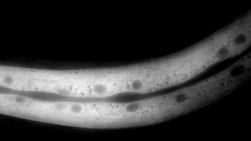
    High, potentially damaging, cysteine concentration in the cells of roundworms can be regulated by a pathway that senses hydrogen sulfide gas.
  2. Anti-cancer drug

    A new form of the drug triptolide kills pancreatic cancer cells in mice with fewer side effects than the original molecule.
  3. The social brain

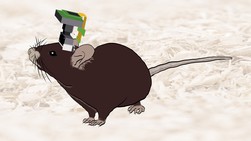
    Scientists develop a new device to measure how different parts of the brain communicate during social interactions.
  4. Controlling blood pressure

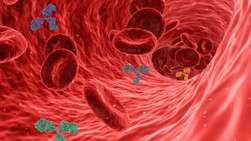
    A computational model built using experimental data from mice provides new insights into the sex differences associated with blood pressure medication.
  5. When humans are away, does wildlife come out to play?

    Acoustic recordings from urban areas during lockdowns reveal that bird presence and activity changed in species- and habitat- specific ways as a result of reduced human activity.
  6. Modelling motion with RatInABox

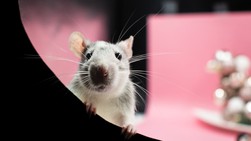
    Researchers have developed RatInABox, a computational toolkit to build models for the brain’s role in navigational behaviour.
  7. Nature and nurture

    Insulin responses in mice with controlled diets and distinct genetics reveal how these factors interact to influence the risk of type 2 diabetes.
  8. Sequencing brain connections

    A new proof of principle highlights the requirements and limitations associated with using barcoded versions of the rabies virus to dissect neural networks.