Browse our Science Digests

Page 50 of 283
  1. Growing skeletal muscle

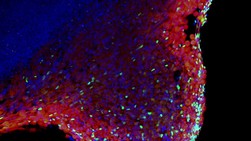
    Researchers have discovered a way to build three-dimensional organoids that resemble how skeletal muscle develops in the fetus.
  2. A spoonful of (UDP)-sugar

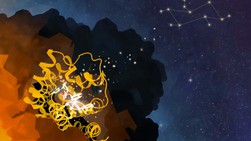
    Combining computational and lab-based methods helps to identify how certain carbohydrates activate an important class of cell receptors involved in the immune response.
  3. Hunting HIV holdouts

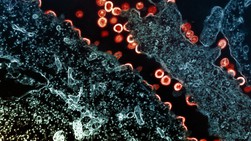
    A study showing HIV-infected cells hide in the brain and other tissues in individuals receiving antiretroviral therapy may help researchers trying to target these persistent viral reservoirs.
  4. Fading memories

    A new assessment of visual working memory using continuous measures reveals fresh insights into the origins of memory deficit in multiple sclerosis.
  5. Unravelling life within the lake

    A machine learning approach to analysing environmental DNA in the sediment of lakes reveals shifts in biodiversity in response to the use of biocides and climate change.
  6. Bile-sensing bacteria

    Unraveling how the bacterium that causes cholera senses and responds to bile acid in the human gut may help scientists develop new treatment and prevention strategies.
  7. Assessing peer review with AI

    An analysis of peer review at a major journal using OpenAI’s ChatGPT identified potential gender bias in the peer review process.
  8. Stick, twist or fold

    One protein of polyglutamine folds into a particular shape to start forming the amyloid that causes Huntington’s and other neurodegenerative diseases.