Browse our Science Digests

Page 53 of 283
  1. Who is calling?

    A new system makes it easier for scientists to assign ultrasonic vocalizations to the correct animal within a pair or group.
  2. Harnessing natural resistance

    A natural molecule in the wild relative of the potato may help make crops resistant to early blight disease, Colorado potato beetle, and potentially other fungi and pests.
  3. Understanding infertility in men

    Male mice that lack the PARL enzyme are infertile due to defects in cell units known as mitochondria.
  4. Closing the ring

    Pigments called carotenoids regulate photosynthesis in a bacterium by altering the architecture of a ring structure in the machinery that harvests energy from the sun.
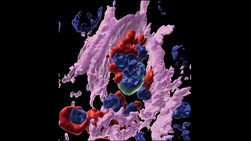
  5. An unexpected role for neutrophils

    Immune cells generally thought to fight off infections can also help dispose of dead cells, potentially protecting the body from autoimmune disorders.
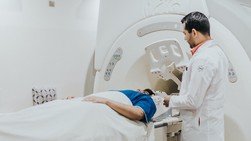
  6. Spectral signatures

    Information contained in the fMRI signals recorded when the brain is at rest helps to better interpret how changes in blood flow correlate with neural activity across various regions.
  7. Seeing through the smokescreen

    Data from identical twins point to cigarette smoke causing DNA modifications that control the activity of certain genes.
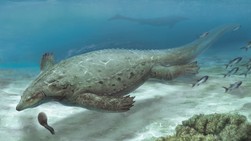
  8. Diving into the evolution of marine reptiles

    A newly discovered fossil from the Triassic period sheds light on how marine reptiles emerged following a major extinction event.