Skip to Content
eLife home page
Menu
Home
Browse
Magazine
Community
About
Search
Alerts
Submit your research
Search by keyword or author
Reset form
Search
Browse our Science Digests
Page 61 of 283
Sniffing out a target
High-resolution imaging reveals how neurons involved in processing odors decide which neurons to connect with in the developing brain of fruit flies.
A pseudogene with an important role
A new study sheds light on one of the mutations important for the lifecycle of the plague agent.
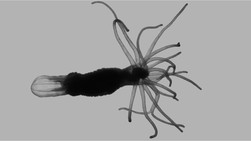
Disrupting the circadian clock
Interfering with light and temperature cycles disrupts the nocturnal behavior of sea anemones.
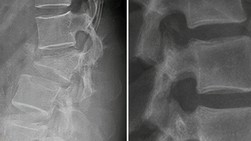
How old is your skeleton?
A new way to measure how a bone fracture impacts life expectancy could help communicate risks to patients with osteoporosis.
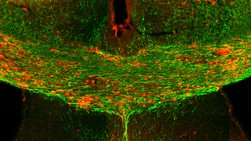
Locating cells linked to multiple sclerosis
A new mouse model allows accurate detection of oligodendroglia that produce immune proteins, paving the way for more detailed studies of the role these cells play in multiple sclerosis.
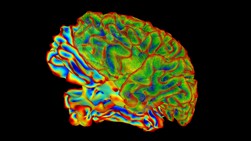
Obesity on the brain
Lifestyle changes that promote weight loss can slow obesity-driven brain aging
.
Thwarting bacterial alliances
Manipulating bacterial growth and metabolism could be key to battling multi-species bacterial infections.
Putting polygenic risk scores to the test
Can measures of cancer risk established using genetic data from individuals of European ancestry also be applied to an East Asian population?
Newer digests
Older digests
Be the first to read new articles from eLife
Sign up for email alerts
Privacy notice
Skip to Content
eLife home page
Menu
Home
Browse
Magazine
Community
About
Research categories
Inside eLife
Search
Subscribe to alerts
Submit your research
Author guide
Reviewer guide
Back to top