Browse our Science Digests

Page 47 of 283
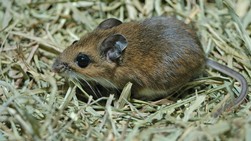
  1. Why deermice do not get sick from Lyme disease

    Comparing the immune response of deer mice, mice and rats highlights a mechanism by which certain species can tolerate the bacteria responsible for Lyme disease.
  2. Opportunistic microbes

    Traits that help yeast and other microbes survive in their natural environment may also enable the microbes to cause opportunistic infections in animals.
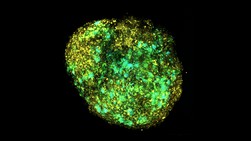
  3. The impact of cannabis on mouse embryonic cells

    Exposure to the main psychoactive compound in cannabis affects the metabolism and differentiation of early mouse cell types.
  4. To leave, or not to leave

    In nematode worms, sensory neurons guide the decision to abandon a piece of food during a highly active foraging state.
  5. Colorectal cancer clues

    By late adolescence, individuals with genetic risk factors for colorectal cancer show altered fat metabolism that may be an early warning sign for the disease.
  6. Clearing the debris

    Single-cell RNA sequencing sheds new light on how immune cells remove dead cells from wounds in mice and humans.
  7. Pollinator palates

    A study in bumblebees reveals that they are unable to use the sense of taste provided by their mouthparts to detect and avoid pesticides in the nectar of plants.
  8. Nucleolar stress caused by anti-cancer drugs

    A number of anti-cancer drugs are toxic to the cellular compartment that produces machinery for making proteins, leading to unwanted side effects.