A brain process that can adjust the strength of connections between neurons is regulated by a set of proteins that stop the process from over activating and causing seizures.
The slime that hagfishes use to defend themselves against predators likely originated from a product produced by cells in the skin when it was damaged.
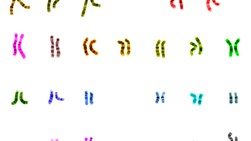
Two proteins, called PLK-2 and CHK-2, control the timely exchange of maternal and paternal genetic information during the cell divisions that produce eggs and sperm.
Two drugs used to turn on and off populations of cells in the brain have off-target effects on sleep in laboratory mice that may skew the results of behavioural studies.
Drugs that target fatty-acid binding proteins slow the growth of multiple myeloma tumor cells in the laboratory and in some mice with this type of blood cancer.
Machine learning algorithms that use different types of data to estimate the age of the brain each capture specific features of Alzheimer’s disease in its early or advanced stages.