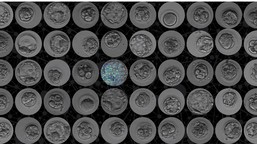
In this episode, we hear about artificial intelligence and in vitro fertilization, scar-free wound healing, decision-making, mosquitoes and open-access publishing.
Virtual conferences benefit the scientific community by increasing the number and diversity of attendees compared to in-person conferences, and by being less time consuming, more economic and environmentally friendly.
A longitudinal study of open access levels at 1,207 research institutions worldwide reveals high performing institutions in Latin America, Africa and Asia.
Analysis of genetic information from soil samples provides insights into bacteria that help to protect crops from fungal diseases by producing chemicals called phenazines.